Bartending is much more than just mixing drinks. A truly exceptional bartender wears many hats—mixologist, entertainer, therapist, and even peacekeeper at times. Whether you’re aspiring to be a professional bartender or hiring one for your venue or event, here are the top 10 qualities that define a great bartender.
1. Deep Knowledge of Drinks and Mixology
A great bartender must have a solid foundation in beverage knowledge, which includes more than just the ingredients of a cocktail.
Key Points:
-
Drink Recipes: Knows how to make classic cocktails like Mojito, Old Fashioned, and Margarita with precision.
-
Ingredient Pairing: Understands how different spirits, mixers, and garnishes work together.
-
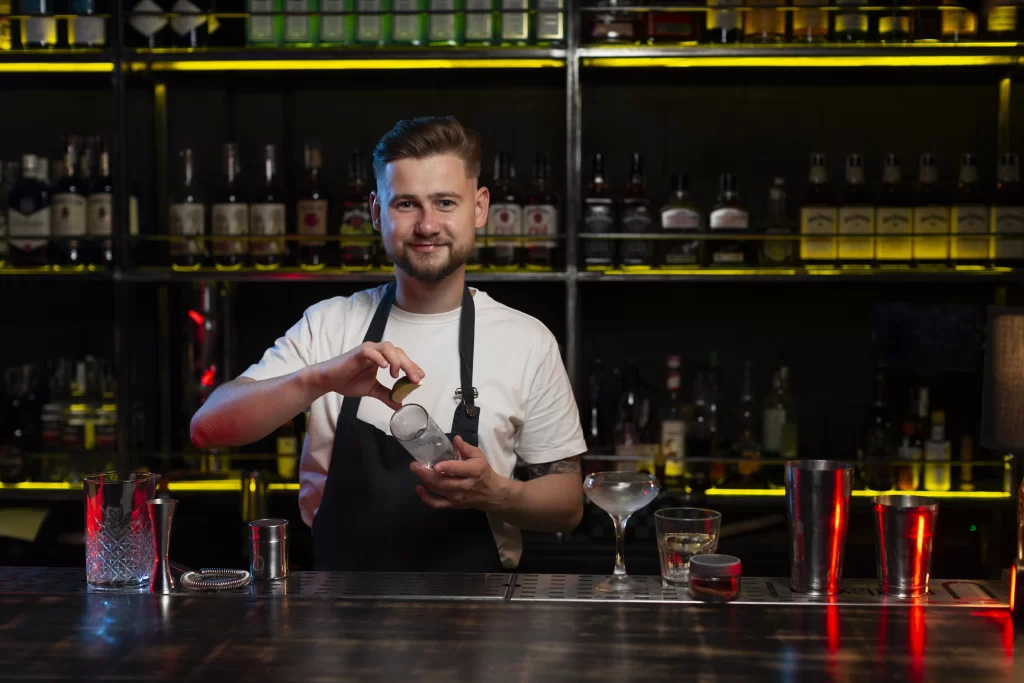
Bar Tools & Techniques: Is proficient in using shakers, strainers, muddlers, and jiggers.
-
Wine & Beer Knowledge: Familiar with wine varietals, beer types, and food pairing basics.
2. Excellent Communication Skills
Communication is central to bartending, both with guests and within the team.
What This Includes:
-
Clear Verbal Skills: Can take orders quickly and clarify preferences.
-
Active Listening: Pays attention to details like allergies or drink modifications.
-
Polite & Approachable: Maintains a friendly tone and welcomes every guest with a smile.
-
Storytelling: Can share a drink’s history or recommend options in a fun, engaging way.
3. Speed and Efficiency Behind the Bar
In a fast-paced environment, speed is crucial without compromising quality.
Tips on Speed & Precision:
-
Organized Workstation: Keeps everything in its place (mise en place).
-
Multitasking Ability: Can take new orders while preparing current ones.
-
Time Management: Knows how to prioritize between drink-making, serving, and cleaning.
-
Batch Preparation: Uses techniques to prepare multiple drinks at once when needed.
4. Excellent Memory and Attention to Detail
Bartenders often juggle dozens of drink orders, customer preferences, and bar tasks all at once.
Areas Where Memory Matters:
-
Remembering Regulars: Knows returning guests’ favorite drinks.
-
Complex Orders: Keeps multiple detailed orders straight in busy times.
-
Allergies and Preferences: Keeps track of special requests or dietary restrictions.
-
Drink Recipes: Remembers the ingredients and proportions of dozens of cocktails.
5. Professional Appearance and Hygiene
A bartender’s appearance reflects the standards of the establishment.
Grooming & Cleanliness Standards:
-
Uniform or Dress Code: Always follows dress policies neatly.
-
Clean Bar Area: Maintains a spotless counter, tools, and glassware.
-
Personal Hygiene: Keeps nails trimmed, hair tidy, and hands clean at all times.
-
Presentation of Drinks: Serves visually appealing cocktails with appropriate garnishes.
6. Multitasking and Staying Calm Under Pressure
Bars can be chaotic, especially during peak hours. The ability to stay composed is a hallmark of a great bartender.
Multitasking Traits:
-
Handling Crowds: Manages queues and waits with confidence.
-
Problem Solving: Deals with wrong orders or complaints without stress.
-
Smooth Workflow: Shakes a cocktail while engaging a guest and monitoring other patrons.
-
Crisis Management: Handles minor disputes or spills calmly and efficiently.
7. Customer Service and Hospitality
Hospitality is at the heart of bartending. Creating a welcoming and enjoyable experience keeps patrons coming back.
Customer Service Principles:
-
Positive Attitude: Greets every guest warmly, regardless of mood or workload.
-
Custom Recommendations: Suggests drinks based on individual taste preferences.
-
Conflict Resolution: Handles difficult customers with patience and professionalism.
-
Building Relationships: Knows how to connect with guests without being intrusive.
8. Honesty and Responsibility
A trustworthy bartender ensures integrity behind the bar—especially when handling alcohol and cash.
Responsibility Aspects:
-
Alcohol Awareness: Knows when to stop serving intoxicated guests.
-
Cash Handling: Keeps track of tabs, cash, and digital payments responsibly.
-
Portion Control: Serves accurate measurements to prevent over-pouring.
-
ID Checking: Always checks IDs to avoid underage service.
9. Physical Stamina and Endurance
Bartending is physically demanding. A great bartender has the energy to handle long, active shifts.
Physical Requirements:
-
Standing for Hours: Can work on their feet for extended periods without fatigue.
-
Lifting and Moving: Handles heavy kegs, boxes of bottles, and ice buckets with ease.
-
Quick Movements: Navigates tight spaces while moving fast and safely.
-
Mental Alertness: Remains sharp and focused throughout busy nights.
10. Creativity and Passion
Creativity separates a good bartender from a great one. Passion fuels continued learning and excellence.
Creative Traits:
-
Invents New Drinks: Crafts original cocktails with unique flavor combinations.
-
Presentation Flair: Adds visual flair like smoke, flames, or decorative garnishes.
-
Bar Flair Skills: Incorporates bottle flips or shaker tricks when appropriate.
-
Love for the Craft: Keeps learning, experimenting, and refining their art.
Final Thoughts
Becoming a great bartender involves a combination of technical skills, interpersonal qualities, and personal dedication. Whether you’re running a bar, joining a bartending course, or hiring talent for events, these 10 qualities are essential indicators of excellence.
From crafting the perfect cocktail to delivering an unforgettable guest experience, bartenders play a crucial role in hospitality. So raise your glass to those who blend skill, charm, and hustle into every pour—because great bartenders don’t just serve drinks, they serve moments.